
*Formation of Gobi Agates:*
Gobi agates are formed through a process known as silicification, where silica-rich fluids permeate volcanic rocks, sedimentary layers, or other substrates. Over time, these fluids crystallize and solidify, creating unique banding patterns and colors. The “eyes” seen in Gobi agates are formed through the layering and crystallization of silica, often involving mineral inclusions or variations in the silica content that create contrasting colors and patterns.
*Location:*
Gobi agates are primarily found in the Gobi Desert region of Mongolia and parts of northern China. The specific geological conditions in these areas, including volcanic activity and sedimentation, contribute to the formation of these unique stones.
*Uses:*
Gobi agates are valued in jewelry-making and as decorative items due to their striking appearance. They are often polished and cut into cabochons, beads, or other shapes for use in various types of jewelry.
*Metaphysical Properties:*
In metaphysical practices, Gobi agates are believed to promote emotional balance and stability. They are thought to enhance self-confidence, encourage creativity, and foster a sense of calm and grounding. Some people use Gobi agates for protection against negative energies and to aid in achieving clarity and focus during meditation.
Overall, Gobi agates are appreciated not only for their aesthetic qualities but also for their perceived benefits in spiritual and healing practices.
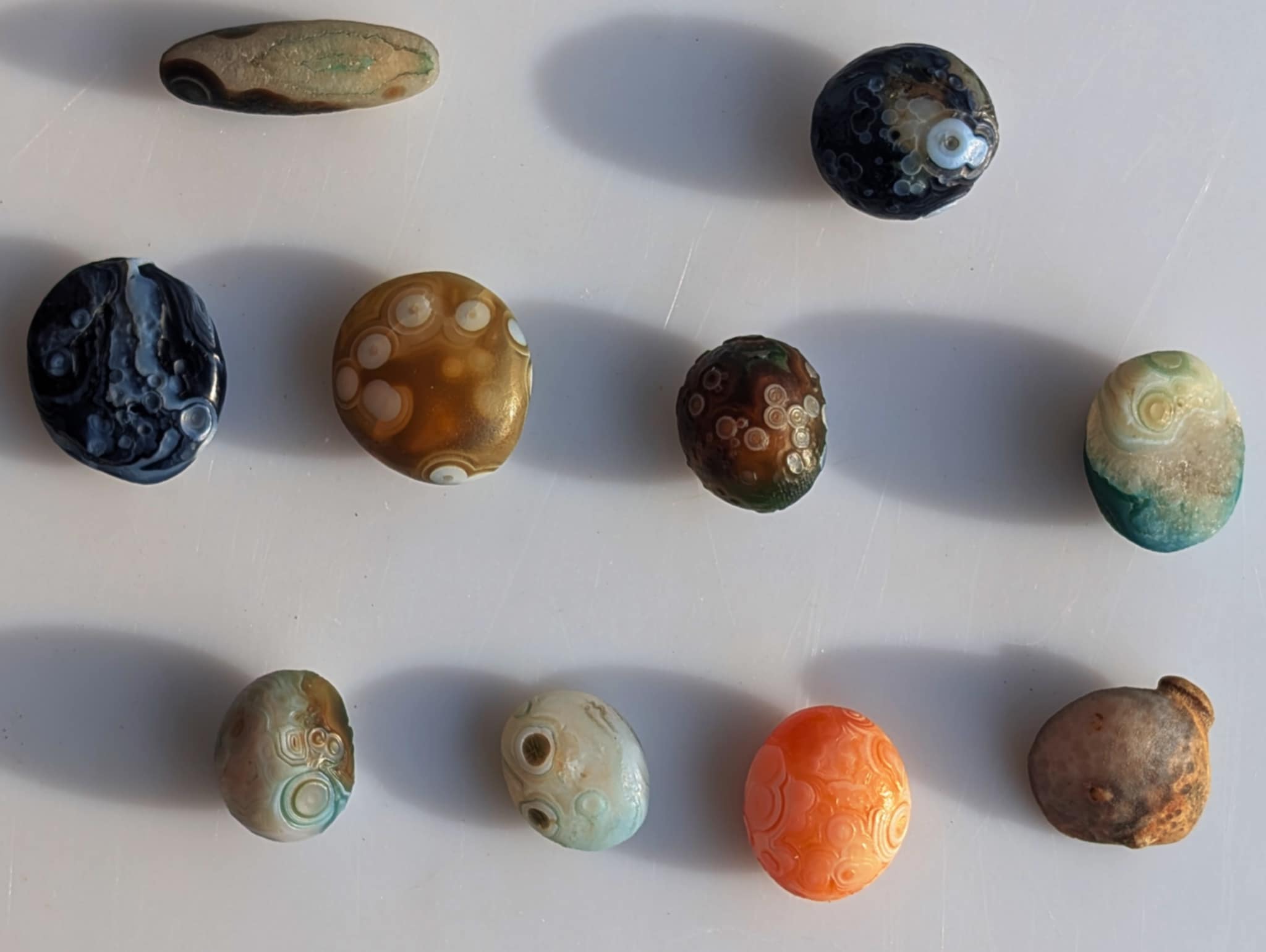
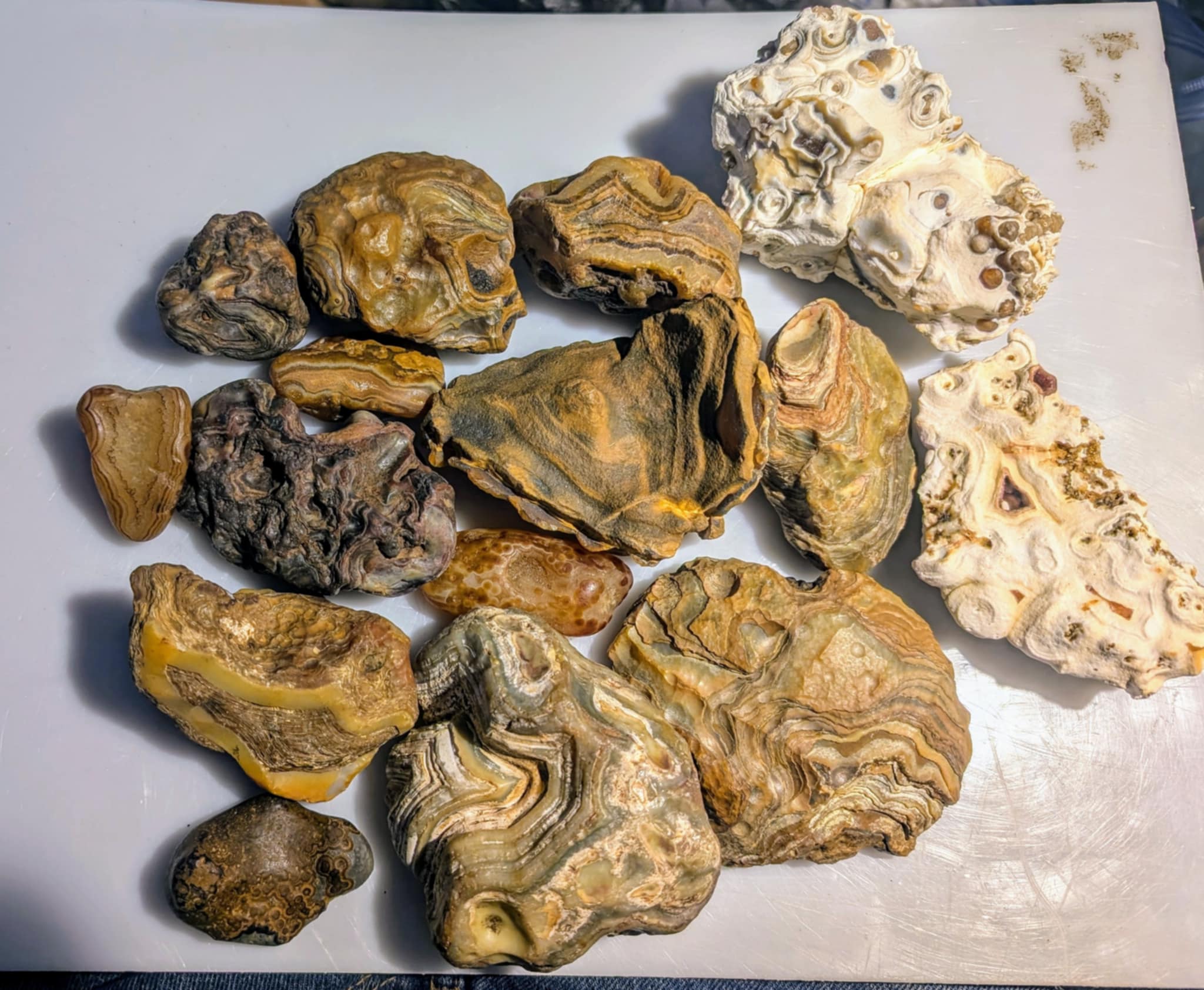
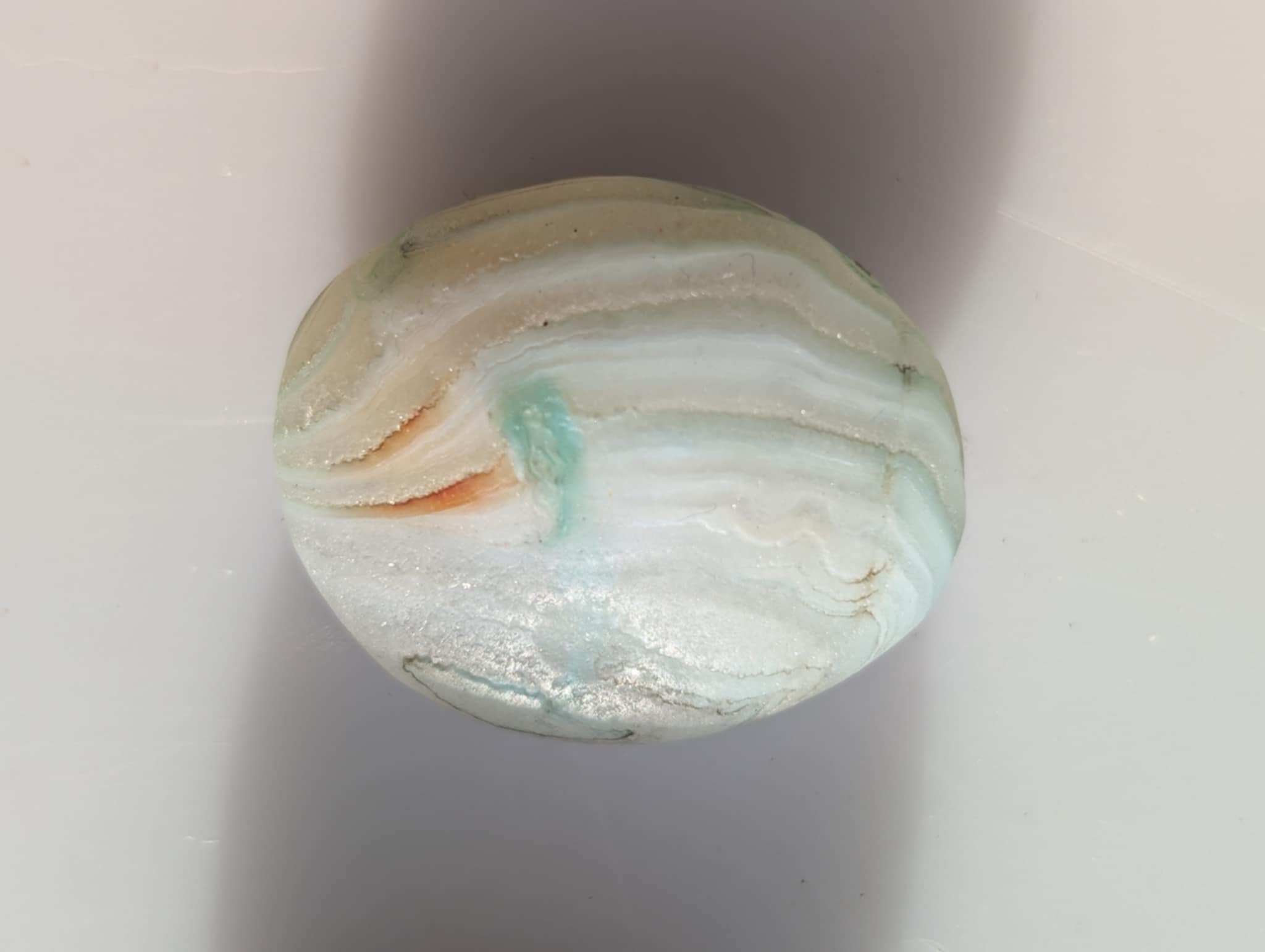
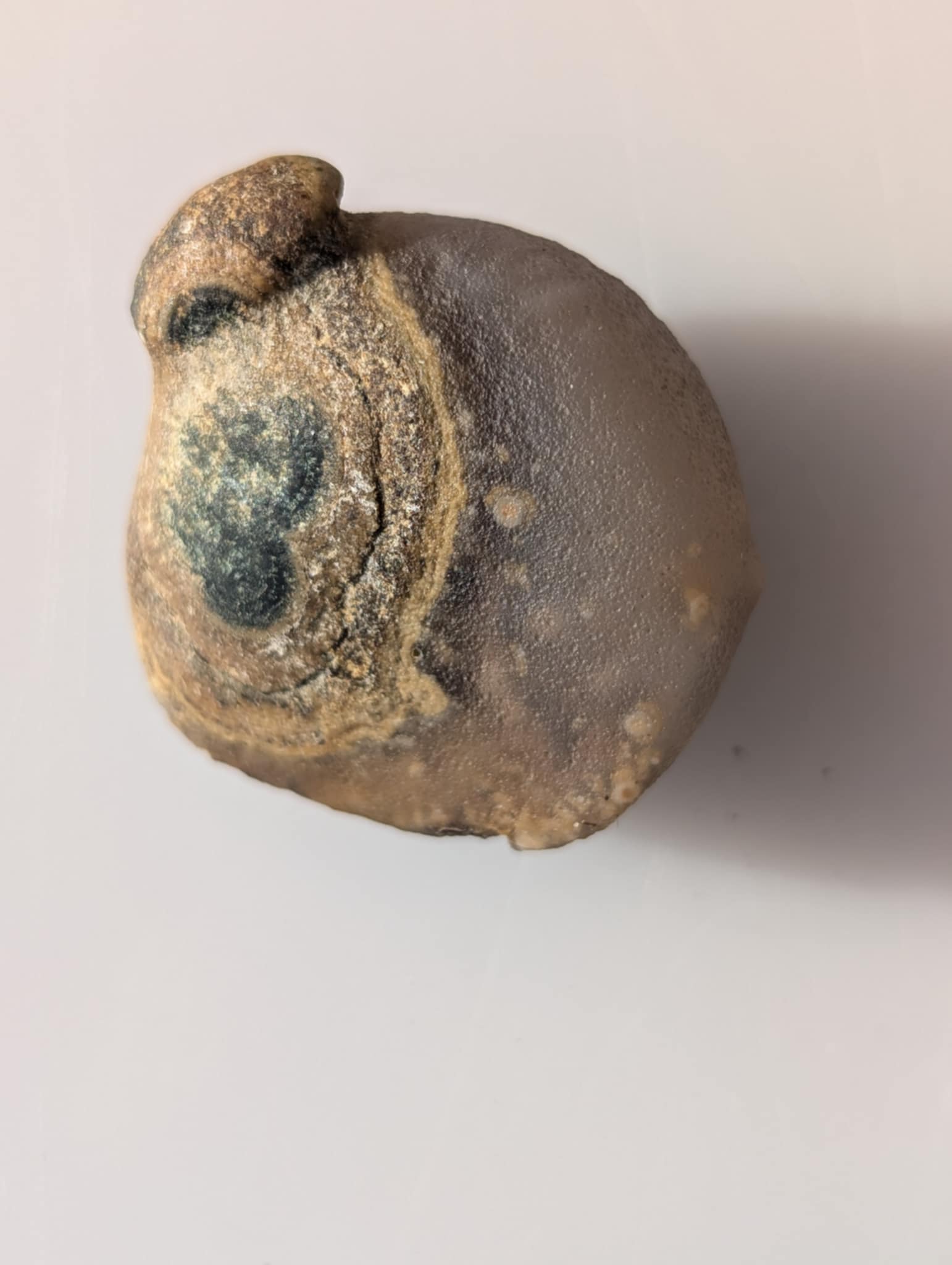
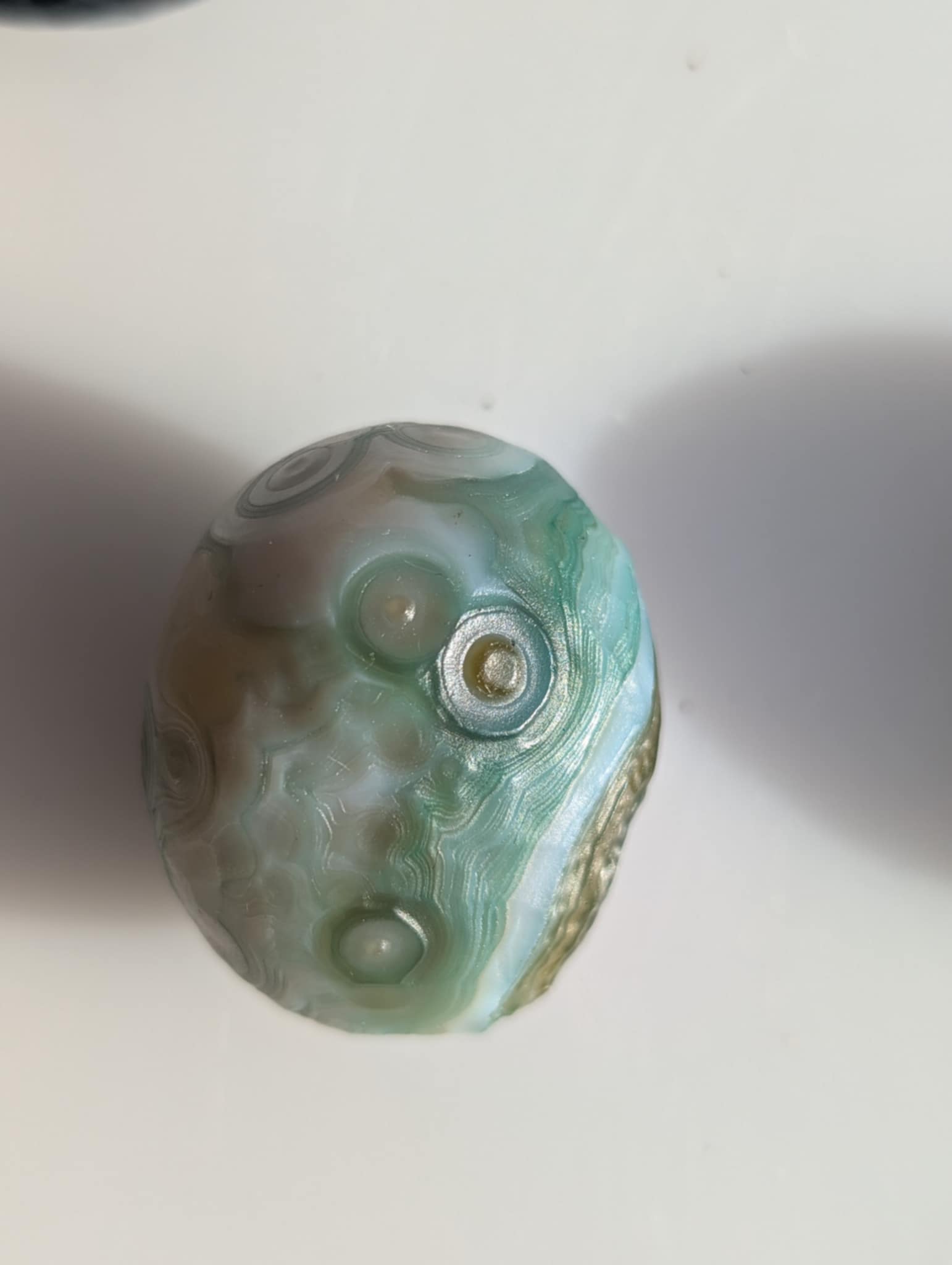
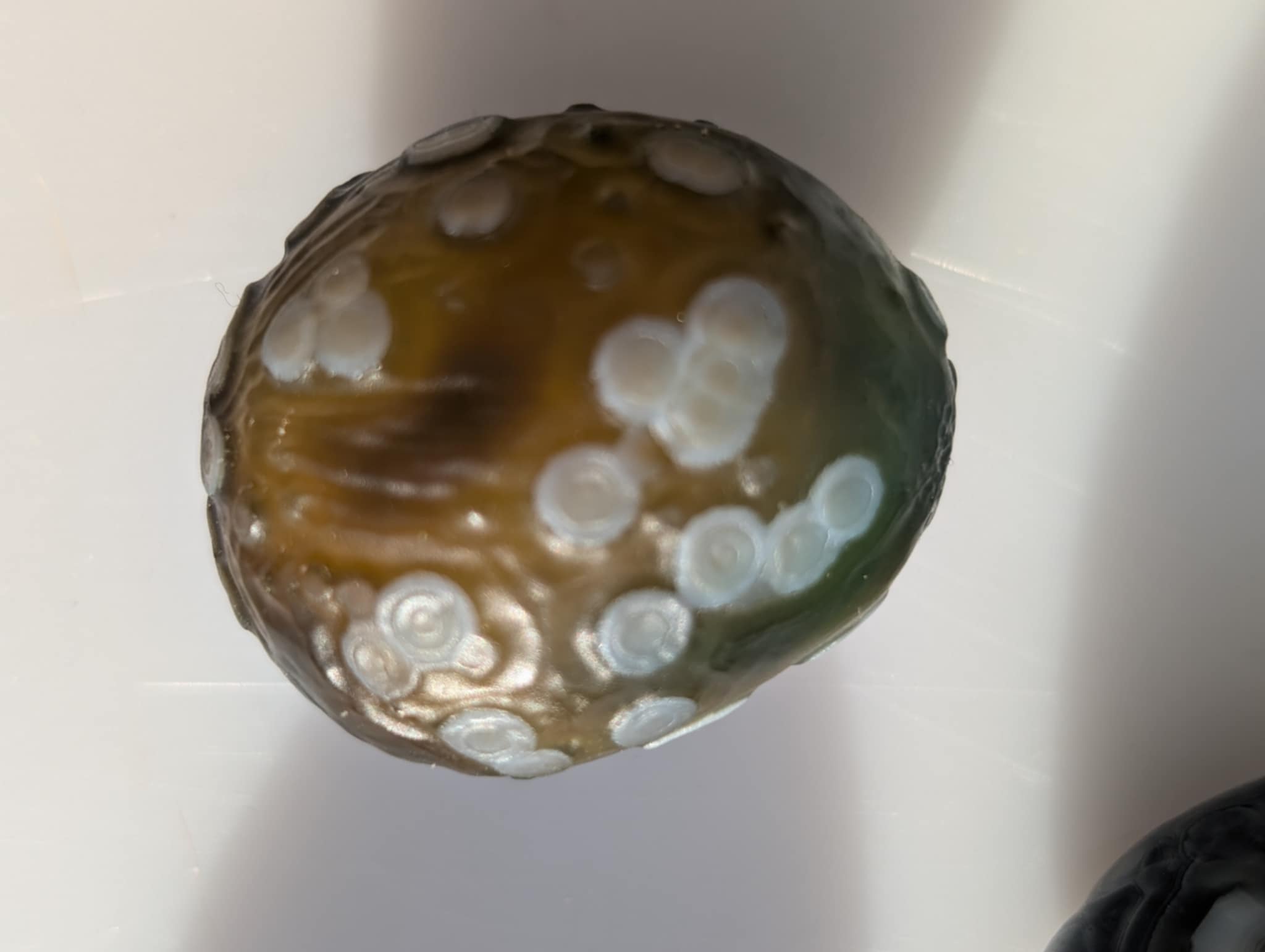
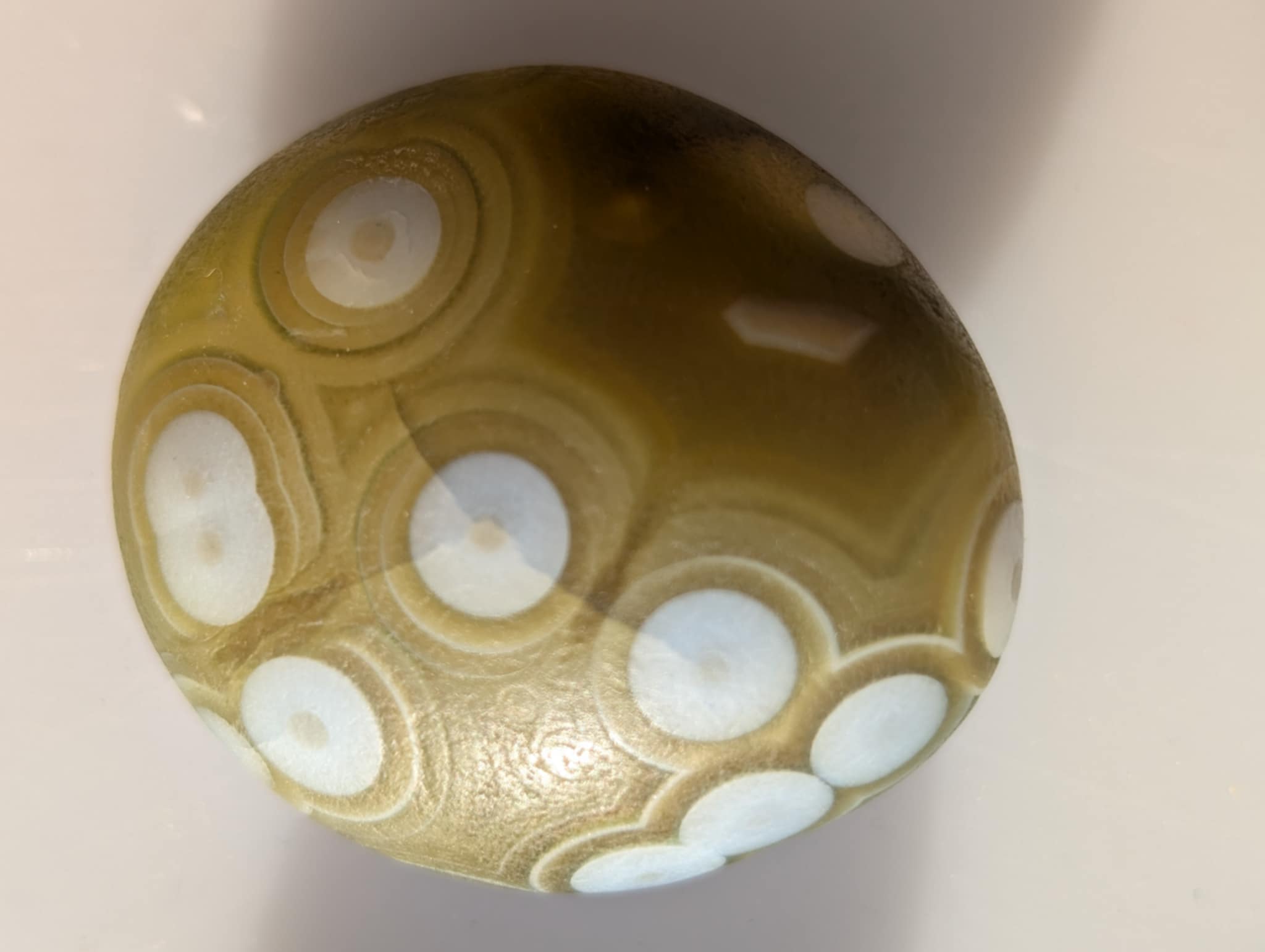
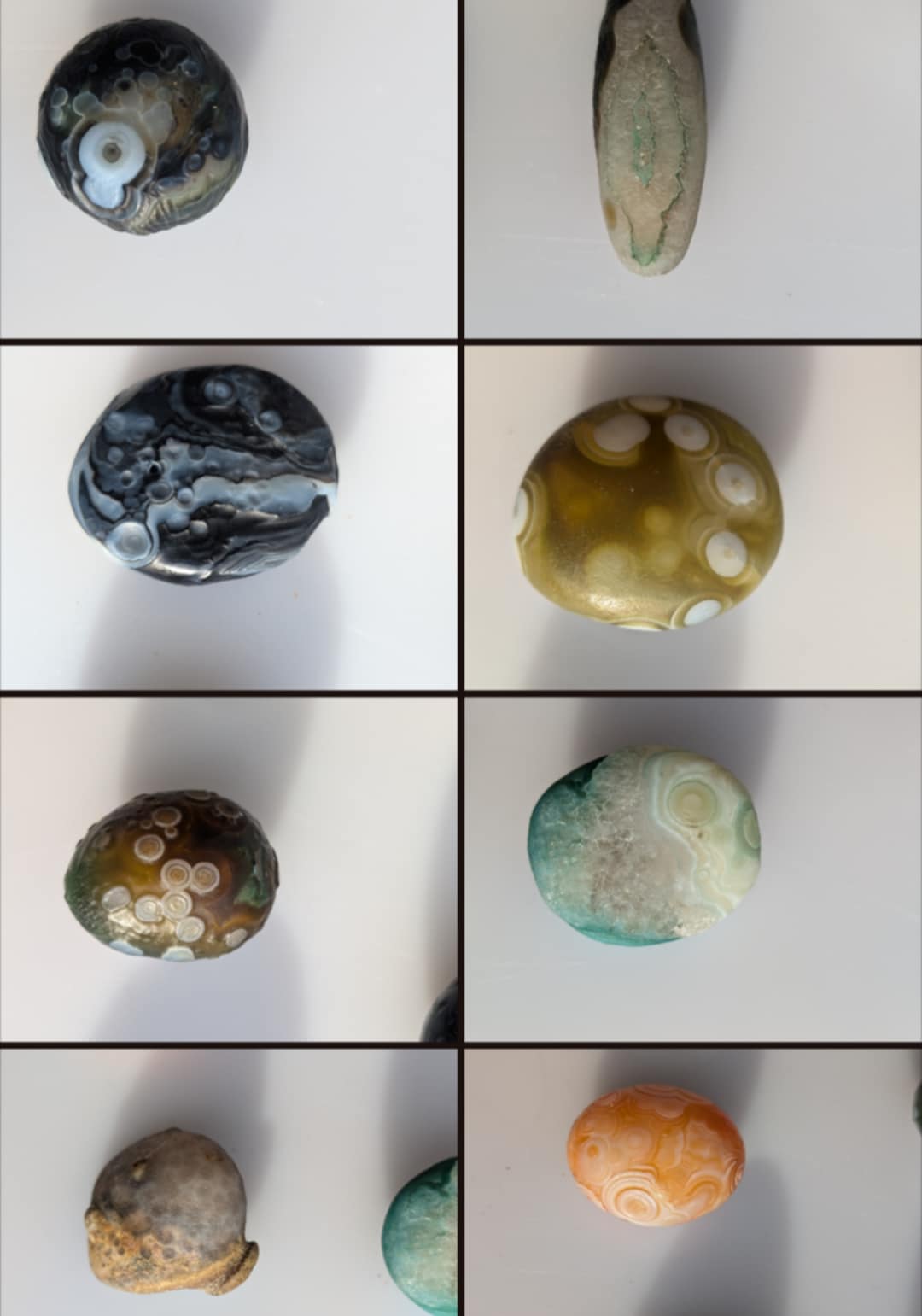
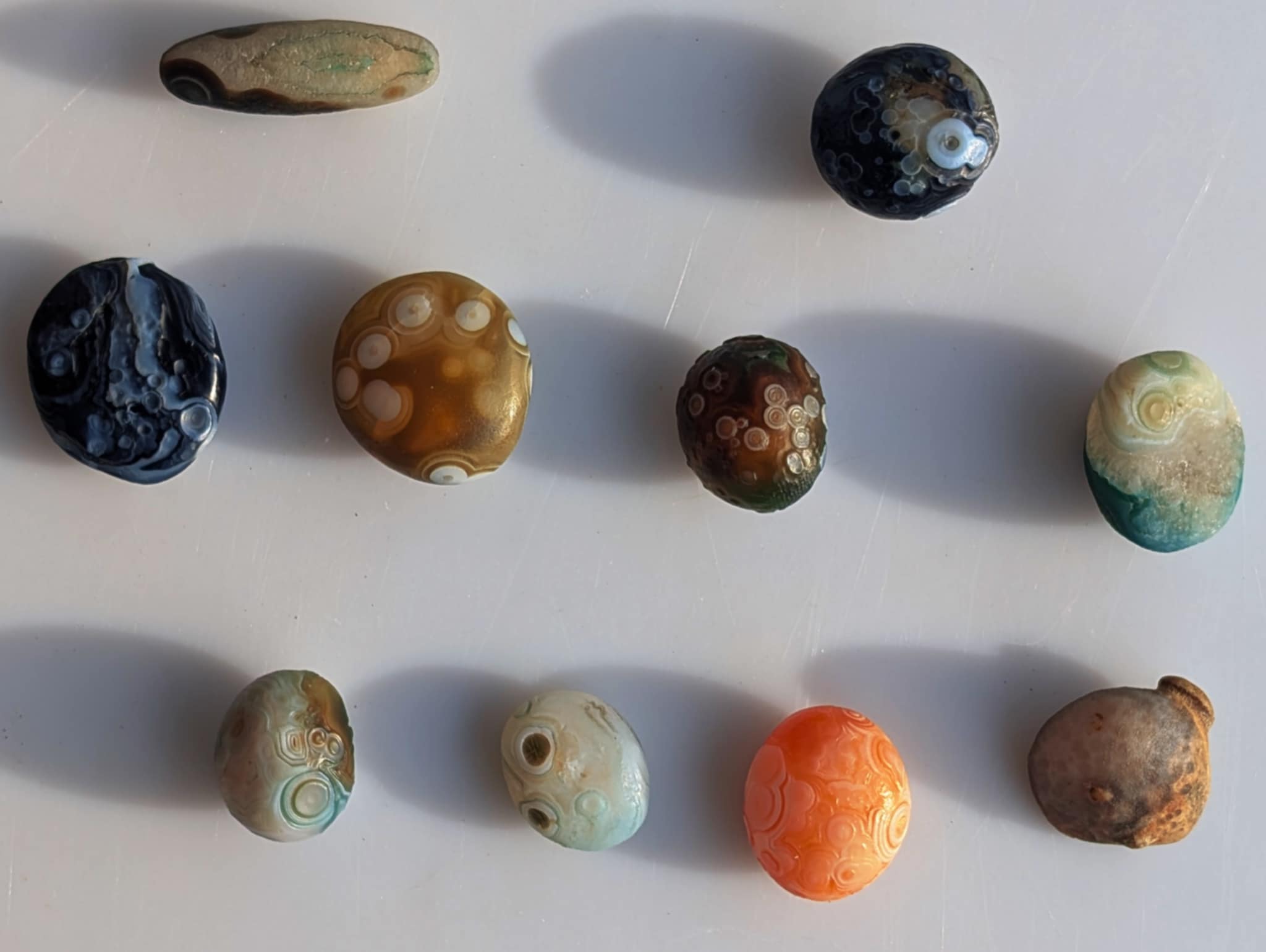
*Suiseki* are naturally occurring stones that have aesthetic qualities and are often appreciated for their resemblance to landscapes, animals, or other forms. When combined with *bonsai*, these stones are used as accent pieces in bonsai displays, enhancing the overall aesthetic.
### Characteristics and Formation
*Suiseki bonsai agates* are a specific type of suiseki that are composed primarily of agate, a variety of chalcedony. They are typically formed through the slow crystallization of silica in volcanic or sedimentary environments. Over time, minerals can create bands or patterns within the stone, contributing to their beauty and uniqueness.
### Locations
Suiseki, including those made of agate, can be found in various parts of the world. Notable sources include:
– *Japan*: The traditional center for suiseki appreciation and practice.
– *United States*: Particularly in areas with volcanic activity, such as the Pacific Northwest.
– *Brazil*: Known for its diverse and colorful agate formations.
### Cultural Use
In Japanese culture, suiseki is appreciated for its natural beauty and is often displayed in traditional settings, such as tea ceremonies or homes. These stones are believed to evoke a sense of tranquility and connection to nature. They are also used in display with bonsai, emphasizing the harmony between the tree and the stone.
### Pricing
The pricing of suiseki bonsai agates can vary widely based on factors such as:
– *Size*: Larger stones generally command higher prices.
– *Quality*: Stones with unique patterns, vibrant colors, or an aesthetic resemblance to landscapes can be more valuable.
– *Rarity*: Certain types of stones are rarer than others, affecting their market value.
Prices can range from a few dollars for small, less distinctive pieces to several hundred or even thousands of dollars for exceptional specimens. Collectors and enthusiasts often look for pieces that resonate with them personally, which adds to the subjective nature of pricing.
Overall, suiseki bonsai agates are not just decorative objects; they embody cultural significance and a deep appreciation for the natural world.